
Move Beyond Just Jambo To Master Swahili Greetings

Author
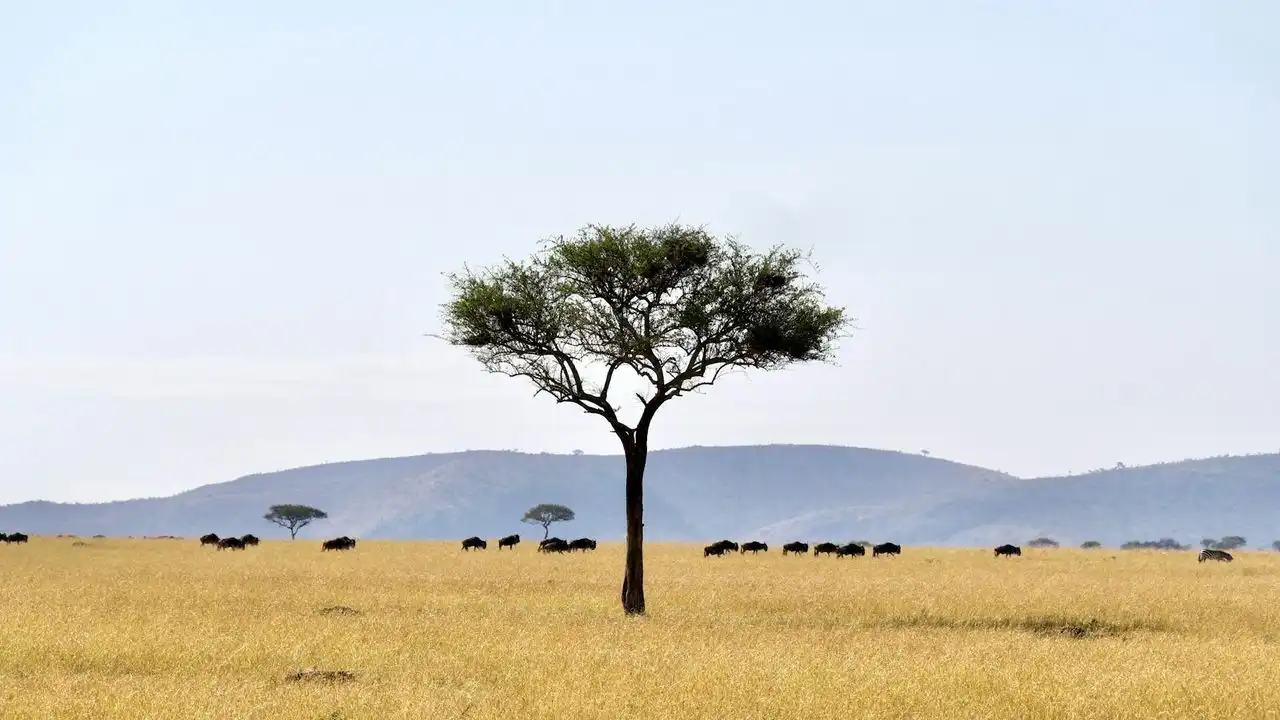
Many tourists learn jambo as their very first Swahili word.
However, native speakers almost never use this word in real, everyday conversations.
Swahili greetings rely heavily on respect, age differences, and social context.
Taking the time to learn proper greetings shows deep respect for East African culture.
This guide covers the exact phrases you need to sound natural when greeting people in Kenya, Tanzania, and beyond.
Table of Contents:
The truth about jambo
You’ll certainly hear jambo shouted by street vendors and tour guides trying to get your attention.
It’s a simplified greeting created almost entirely for foreigners.
The correct, grammatical way to use this greeting is to say hujambo to one person, or hamjambo to multiple people.
This directly translates to “do you have any issues?” or “is anything the matter?”
The standard response is always sijambo (I have no issues) or hatujambo (we have no issues).

Hujambo?
Sijambo.
Greeting elders with respect (shikamoo)
Age and seniority are highly respected across East African society.
If you approach someone older than you, or someone in a position of authority, you must use a specific greeting.
You should respectfully say shikamoo.
Historically, this word translates to “I hold your feet,” showing deep submission and respect.
The elder will always reply with marahaba, which means “I accept your respect.”
You should use this greeting with grandparents, older strangers, teachers, and bosses.
Shikamoo.
Marahaba.
Casual greetings for peers and friends (mambo / sasa)
Younger generations and people of the same age rarely use formal greetings with one another.
Instead, they rely on quick, casual slang.
In Tanzania, the most common casual greeting is mambo.
Mambo literally translates to “things,” but it’s used exactly like “what’s up?” in English.
The response is usually poa, which means “cool.”
Mambo?
Poa.
In Kenya, you’ll frequently hear the word sasa used among peers.
Sasa translates to “now,” implying “what’s happening now?”
A common Kenyan response to sasa is fit, which is borrowed from the English word “fit.”
Sasa?
Fit.
Asking for the news (habari)
The most versatile and polite way to greet someone in Swahili is to ask them for the news.
The word habari means “news” or “information.”
You can use habari followed by a specific time of day or a specific event to create a greeting.
When someone asks for your news, you should always reply positively.
The most common responses are nzuri (good) or salama (peaceful).
Here’s a table showing the most common habari greetings based on the time of day:
| Swahili greeting | Literal English translation | When to use |
|---|---|---|
| Habari za asubuhi? | News of the morning? | From sunrise until noon |
| Habari za mchana? | News of the afternoon? | From noon until late afternoon |
| Habari za jioni? | News of the evening? | From sunset until night |
| Habari za leo? | News of today? | Any time during the day |
Habari za asubuhi?
Nzuri. Na wewe je?
Islamic greetings on the coast
The Swahili coast has a large Muslim population, especially in places like Zanzibar, Mombasa, and Lamu.
In these coastal regions, traditional Islamic greetings are widely used and universally understood.
Even non-Muslims in these areas will often use this greeting as a sign of local cultural respect.
You can initiate the greeting by saying as-salamu alaykum (peace be upon you).
The correct response is always wa-alaykum salaam (and unto you peace).
As-salamu alaykum.
Wa-alaykum salaam.