
Essential Swahili Travel Phrases For Your East African Safari

Author
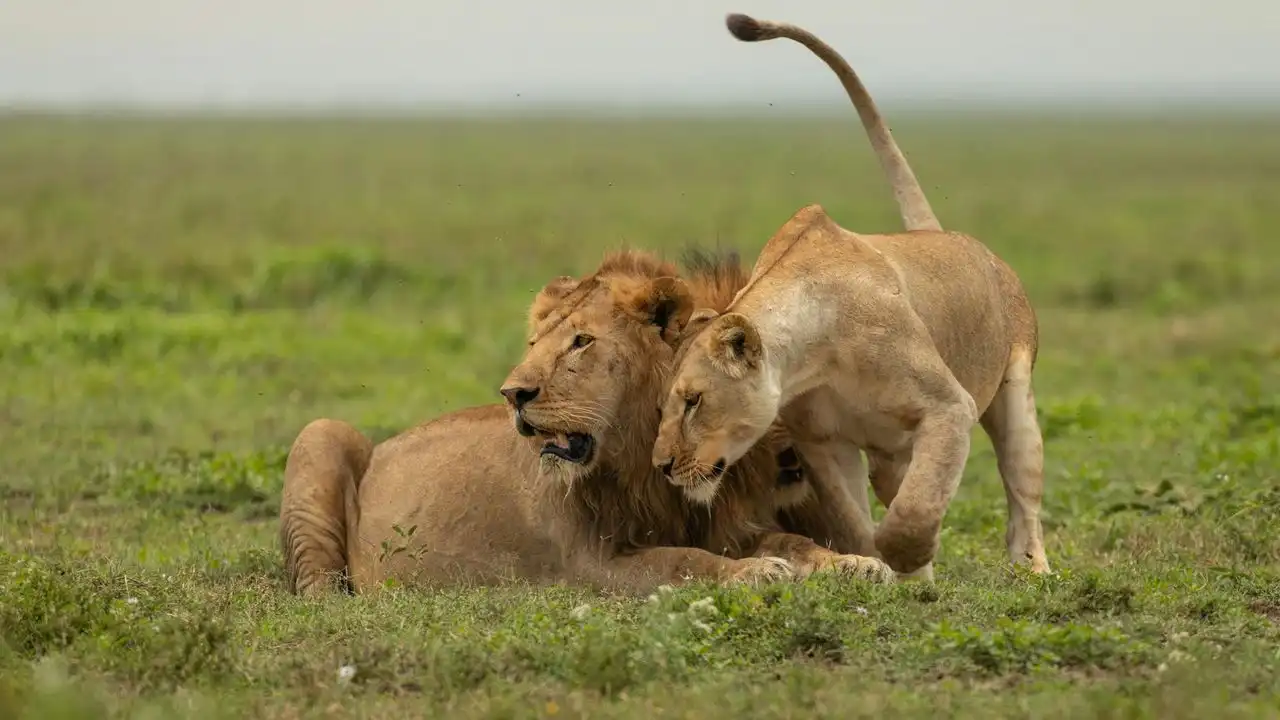
Knowing a few Swahili phrases will completely transform your East African safari experience.
Locals in Kenya and Tanzania deeply appreciate visitors who try to speak their language.
You don’t need to be fluent to make a great impression.
A basic understanding of common greetings and travel vocabulary is more than enough to get started.
Here are the most useful Swahili expressions you need to know before your trip.
Table of Contents:
Greetings and politeness
Greeting people properly is highly valued in East African culture.
Tourists often rely on one specific greeting, but locals use a few different variations.

Jambo
Mambo
Poa
Asante sana
Karibu
In Tanzania, people generally speak a more formal, standard Swahili.
In Kenya, especially in Nairobi, you’ll hear a lot of slang called Sheng.
If you want to sound more like a local, use mambo instead of jambo when speaking to younger people.
Older people should always be treated with more respect.
Use the respectful greeting shikamoo when speaking to elders.
Shikamoo
Marahaba
Safari and wildlife vocabulary
Your safari guide will often spot animals long before you do.
Learning the Swahili names for famous wildlife will make your game drives much more exciting.
Most tourists want to see the famous “Big Five” animals during their trip.
The word safari itself is actually a Swahili word that simply means “journey”.
Let’s look at the most common animal names you’ll hear on a game drive.
| English | Swahili | Pronunciation |
|---|---|---|
| Lion | Simba | seem-bah |
| Elephant | Ndovu / Tembo | ndoh-voo / tehm-boh |
| Leopard | Chui | choo-ee |
| Rhino | Kifaru | kee-fah-roo |
| Buffalo | Nyati | nyah-tee |
| Giraffe | Twiga | twee-gah |
| Hippo | Kiboko | kee-boh-koh |
Notice that there are two words for elephant.
Kenyans usually say ndovu, while Tanzanians almost always use tembo.
Getting around and directions
You’ll likely spend some time exploring towns or navigating between camps.
Knowing how to ask for directions or communicate with drivers is very practical.
Choo kiko wapi?
Simama hapa
Pole pole
Twende
The phrase pole pole is incredibly important in East Africa.
It reflects the relaxed, unhurried pace of life in the region.
You’ll hear drivers and guides say this when navigating rough dirt roads in the national parks.
Shopping and money
Buying souvenirs at local markets is a fun part of any safari vacation.
Bargaining is common in tourist areas and markets.
You can politely negotiate better prices if you know a little Swahili.
Bei gani?
Ni ghali sana
Punguza bei
Sina hela
In Kenya, you might hear the word pesa instead of hela for money.
Both terms are widely understood across East Africa.
When a vendor offers a fair price, you can seal the deal with a polite thank you.
Enjoy your East African adventure
Learning these simple phrases will help you connect with your safari guides and the local community.
Don’t worry about perfect pronunciation when you first start.